Starting Your First Spending Journal
Learn how to set up a simple daily expense tracker and what information to record for maximum insight.

Which payment method reveals more about your spending? Comparing Octopus cards, mobile wallets, and physical cash for transparency.

Here’s the thing about tracking spending — you can’t change what you don’t see. Most Hong Kong residents use Octopus cards or mobile wallets without realizing how invisible small transactions become. You tap, the payment goes through, and there’s no physical reminder that money left your account.
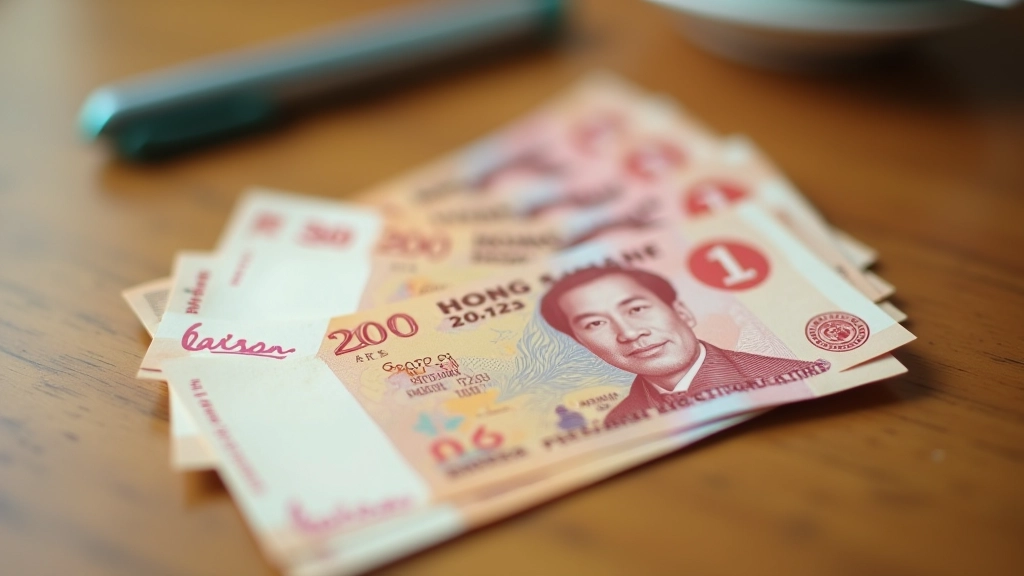
Cash works differently. When you hand over a $50 note for bubble tea, you actually feel the transaction. You watch your wallet get lighter. That sensory feedback matters more than you’d think when you’re trying to understand your spending patterns.
Over one month of tracking, you’ll notice this gap. Cash purchases feel real. Card transactions feel abstract until you see them all listed together in your spending journal.
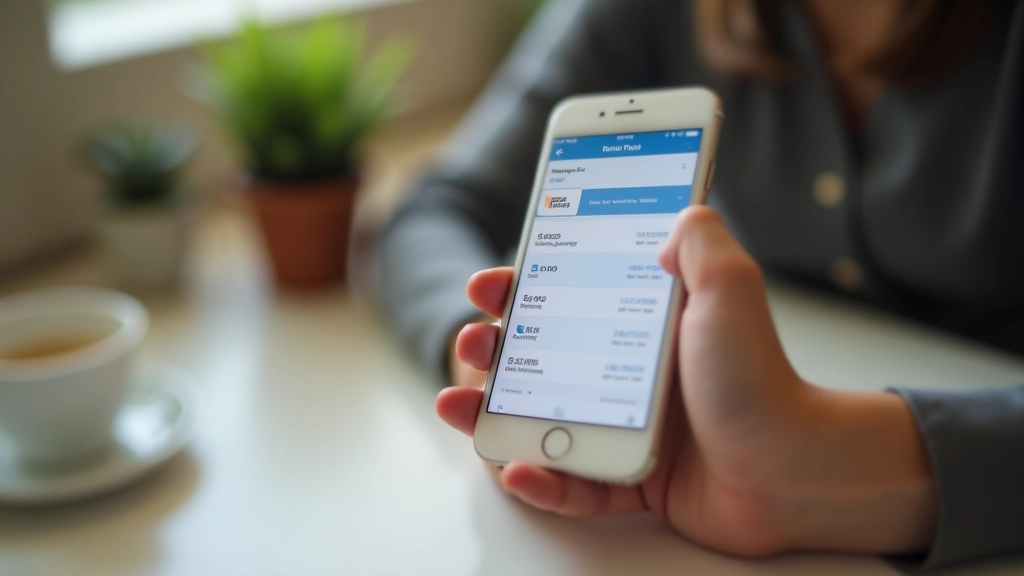
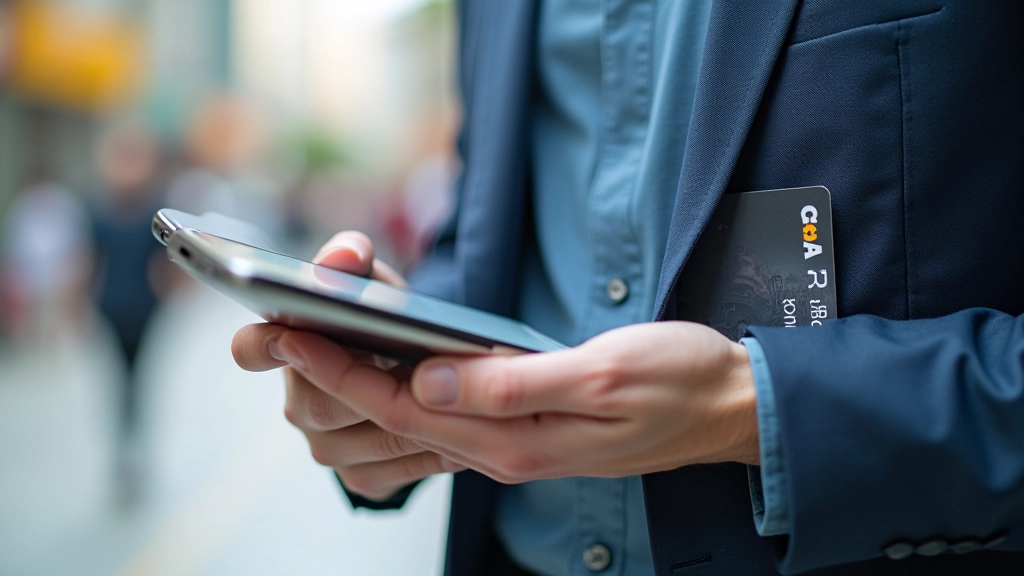
Mobile payment apps like PayMe, Alipay, and WeChat Pay have one massive advantage — they’re designed to show you everything. Every transaction gets logged instantly. You can see exactly where your money went, when, and how much.
This matters because micro-expenses hide in the noise. A coffee here ($28), a snack there ($15), an MTR top-up ($50) — these disappear into your daily life. But mobile apps group them. You’ll spot patterns immediately. “Wait, I spent $280 on coffee last month?” is the kind of realization that actually changes behavior.
The downside? You’re relying on an app that you might not check regularly. If you don’t actively review your transaction history, you’re back to not seeing anything. The data exists, but you’re not using it.
This article is for educational purposes only. The information provided is based on common spending tracking practices in Hong Kong. Individual circumstances vary, and we encourage you to consult with a financial advisor if you’re developing a comprehensive personal finance strategy. Payment method effectiveness depends entirely on your willingness to review and reflect on your transaction data regularly.
Octopus cards are ubiquitous in Hong Kong. You can use them for transport, retail, food — almost everything. But here’s the catch: tracking becomes a chore. You need to actively check your balance and history through the Octopus app or at terminals. It’s not automatic like mobile wallets.
The benefit is that Octopus feels slightly more tangible than a mobile wallet. You’re holding a physical card. There’s a moment when you tap it and think about the transaction. It’s not as visceral as handing over cash, but it’s more present than scrolling through a phone.
For tracking purposes, Octopus falls somewhere in the middle. You can retrieve transaction history, but it requires effort. Most people don’t do this regularly, which means spending patterns stay hidden unless you make the conscious choice to look.
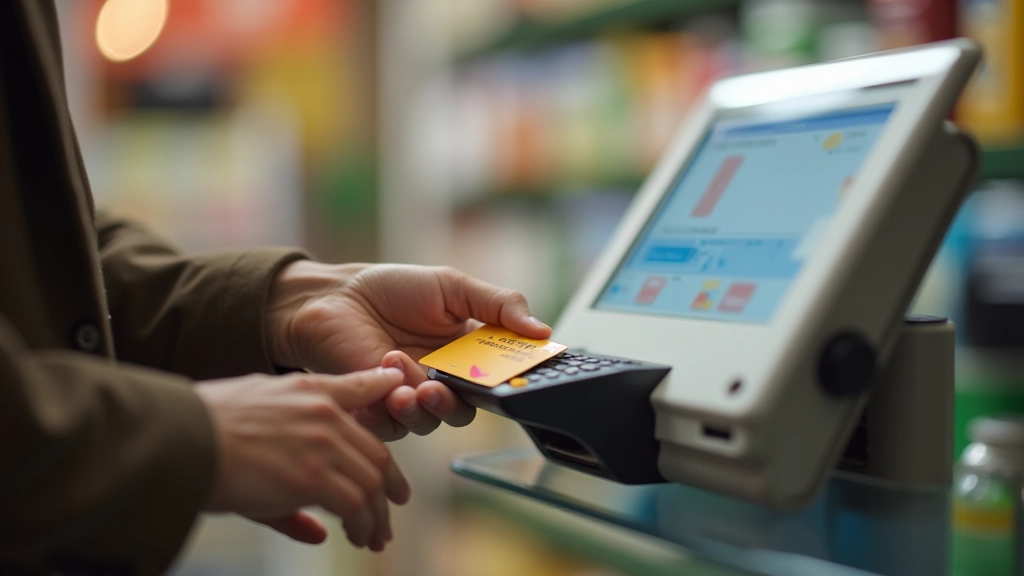

Here’s what we’ve found works best: combine all three methods with your spending journal. Use mobile wallets for regular purchases because the data is automatic. Keep some cash for discretionary spending so you feel each transaction. Use Octopus for transport and specific retailers where you want to isolate those costs.
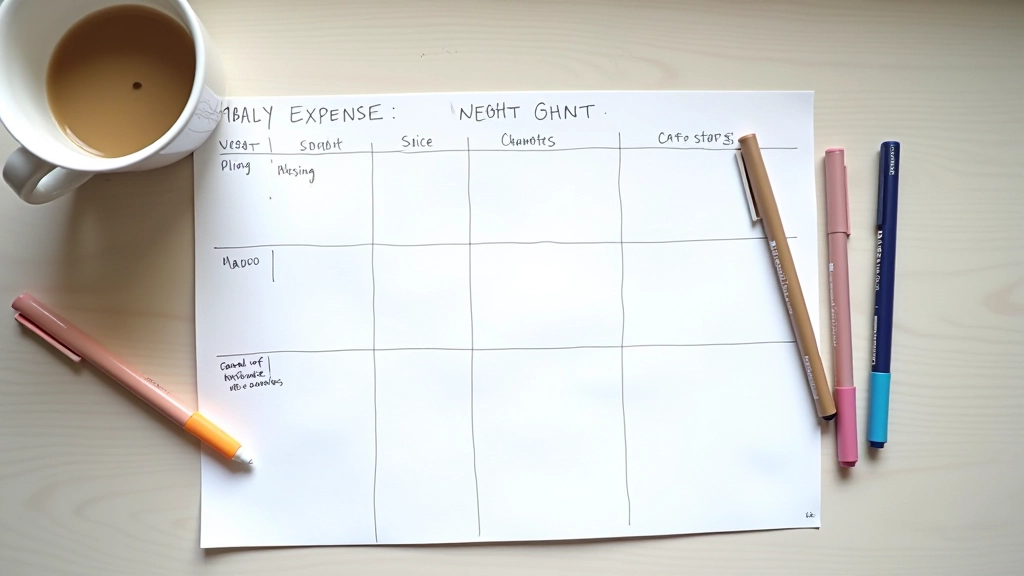
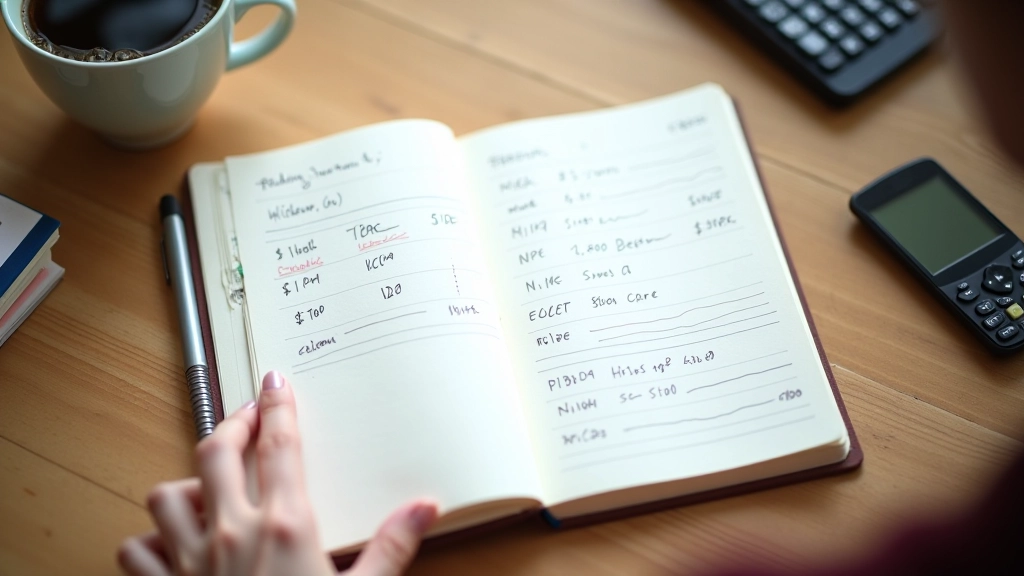
Then, spend 10 minutes each evening writing down the day’s spending in a simple notebook or spreadsheet. This is where the magic happens. The act of writing forces you to think about each purchase. You’re not just reviewing data — you’re processing it.
By week two, you’ll notice patterns emerging. “Every Tuesday I spend more because I meet friends.” “My MTR costs are higher than I thought.” These aren’t revolutionary insights, but they’re yours, and they’re based on real data from your actual life.
The honest answer is that no single payment method is perfect for tracking. Cash gives you awareness but no data record. Mobile wallets give you data but require active engagement. Octopus gives you a middle ground that’s convenient but easily forgotten.
The real tool isn’t the payment method — it’s your willingness to look at what you’re spending. Start with whatever feels natural to you. If you’re comfortable with technology, go all-in on mobile wallets and review them weekly. If you prefer tangible feedback, lean toward cash and track it manually. If you want convenience, use Octopus but commit to checking your history.
The goal isn’t perfection. It’s awareness. One month of honest tracking — using whatever payment methods fit your life — will tell you more about your spending than a year of guessing. And that awareness, once you have it, becomes the foundation for actually making changes that stick.