
MTR Top-Ups and Hidden Transport Costs
Transport adds up fast in Hong Kong. Learn to track Octopus usage and find where your monthly travel budget really goes.

Why Transport Costs Surprise You
You’re not bad with money. It’s just that transport isn’t something you think about daily — you tap your card and move on. But those taps add up fast. Most people in Hong Kong spend between HK$300 and HK$800 per month on MTR alone, yet they’d struggle to tell you where every dollar went.
The real issue? You don’t see the full picture. Unlike buying coffee where you hand over cash and feel the loss, tapping Octopus happens in seconds. By month-end, you’ve made 60+ journeys without tracking a single one. That’s where awareness comes in.
Start tracking your MTR usage the same way you’d track food spending. Write down the amount, where you went, and why. After two weeks, patterns emerge. You’ll spot the extra trips, the peak hour surcharges, the routes you could combine.

How Peak Hour Surcharges Add Hidden Costs
Here’s something most people miss: MTR peak hour fares. If you’re commuting between 7:30–9:30 AM or 5:15–7:00 PM on weekdays, you’re paying more. Not much more per trip — usually HK$0.50 to HK$2 extra — but it compounds.
Let’s say you take 20 trips per month during peak hours at an average HK$1.50 surcharge. That’s HK$30 extra you didn’t budget for. Over a year? HK$360. That’s real money you could’ve saved by shifting your travel time or taking a different route on certain days.
The app shows you this if you look. Check your journey history — you’ll see the exact fare for each trip and which times you traveled. Most people never check. Don’t be most people.
Educational Information
This article is educational and informational in nature. MTR fares, peak hour charges, and Octopus features are accurate as of March 2026 but subject to change by MTR Corporation. For current fares and peak hour details, visit the official MTR website. This content is not financial advice — it’s intended to help you understand and track your spending habits.
Octopus vs Cash: Which Reveals More About Spending?
Octopus is convenient. That’s why most people use it. But convenience hides spending. You can’t feel the money leaving your account the way you feel it leaving your wallet. Cash forces awareness — you see the notes disappear, you count your change, you notice when your wallet gets light.
That said, Octopus gives you something cash never will: a complete digital record. Every journey logged. Every fare tracked. Every peak hour charge visible in the app. If you’re serious about tracking, Octopus is actually better because you don’t have to remember or estimate.
The trick? Check your Octopus balance weekly and review your journey history. Write down the weekly total in your spending journal. This takes 2 minutes but creates the awareness that makes you think twice about unnecessary trips.
The Simple Tracking System That Works
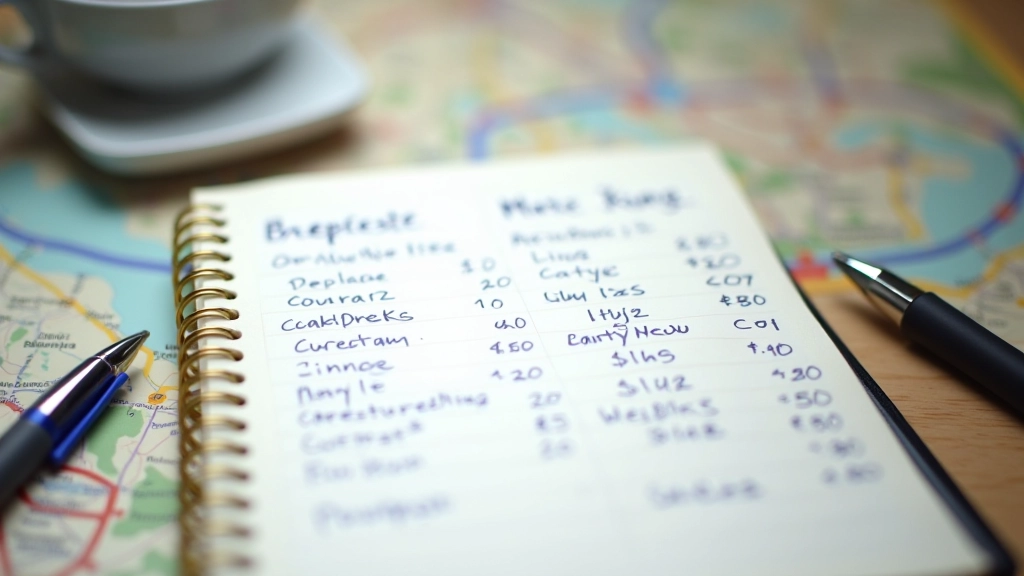
You don’t need an app. A notebook works fine. Create four columns: Date, Route, Fare, and Notes. That’s it. Every time you take MTR, jot it down. Include what you were doing (commuting to work, meeting friends, shopping) so you can spot patterns later.
After one month, total it up. You’ll see which days cost the most, which routes you use most, and whether certain trips were really necessary. This is where the magic happens — not in cutting every trip, but in understanding which ones actually matter to you.
Most people find they can cut 2-3 unnecessary trips per week without changing their life. That’s roughly HK$30-50 per month back in your pocket. It doesn’t sound like much until you realize it’s HK$360-600 per year, and you barely noticed the difference.
Transport Tracking Isn’t About Suffering
It’s not about taking fewer trips or arriving late to places you want to go. It’s about making conscious choices instead of letting habits run your spending. You might realize you actually enjoy some commutes and want to keep them. Or you’ll spot wasteful patterns and naturally cut them out.
Start this week. Get an Octopus if you don’t have one, review your journey history, and write down this month’s total. Then commit to one month of tracking — just 30 days of awareness. You’ll be surprised what you learn about yourself.
Ready to track your full spending picture?
Learn How to Start Your Spending JournalExplore More Spending Awareness