

Category Clustering Reveals Your Real Habits
Start by sorting your expenses into groups. Transportation. Food and beverages. Entertainment. Utilities. Shopping. You’ll notice that certain categories dwarf the others. Most Hong Kong residents find food and transport dominate their micro-spending. That’s not unusual — it’s just the reality of city living here.
The key insight: look at your biggest category and ask yourself what that really means. If food spending is your largest bucket, break it down further. How much goes to bubble tea? How much to lunch? How much to late-night supper? This is where the real pattern emerges. You might discover you’re spending more on coffee than on groceries, or that transport costs nearly match food costs.
One month of data is enough to see the skeleton of your habits. Not enough to predict everything, but enough to spot the recurring things. You’ll see which days you spend more (weekends versus weekdays), which weeks had unusual expenses, and which categories feel genuinely necessary versus impulsive.
The Frequency Factor

Here’s something that often surprises people: small expenses that happen frequently end up being bigger than large expenses that happen rarely. A thirty-dollar coffee four times a week? That’s one hundred twenty dollars monthly. A fifty-dollar dinner once a month? Barely registers. But which one feels like a splurge?
Look at your data and count the frequency of each expense type. How many days did you buy a drink? How many times did you use Octopus for transport? How many convenience store visits happened? The pattern becomes clearer when you count frequency instead of just looking at totals.
This is where awareness actually works. Once you see that you’re buying a drink five days a week, you can make an intentional choice. Maybe you cut it to three days. Maybe you decide it’s worth it and you’re fine with that spending. The difference is you’re choosing it consciously, not discovering it at month’s end.
Educational Note: This article provides information about expense tracking and spending awareness. It’s not financial advice, and everyone’s circumstances are different. Spending patterns vary based on personal income, family situation, and lifestyle choices in Hong Kong. Use this as a framework for understanding your own spending — not as a judgment about what’s right or wrong to spend money on.
Weekly Patterns vs Monthly Totals
Monthly totals are useful for the big picture, but weekly breakdowns show you something different. Some weeks you’ll spend more. Weeks with birthdays, outings, or unexpected costs spike. Other weeks are quieter. Seeing the variation week-by-week helps you understand if your spending is consistent or volatile.
If you spend roughly the same amount each week, you’ve got predictable habits. That’s actually valuable information. You can budget more easily. If your weeks vary wildly, you might need to build a bigger buffer into your monthly planning. Neither pattern is bad — you just need to understand which one you are.
Try averaging your four weeks. Then compare each individual week to that average. You’ll see which weeks were heavier and why. Was there a specific event? A payment you forgot about? A weekend trip? These patterns help you anticipate future spending and avoid surprises.
The Payment Method Tells You Something Too
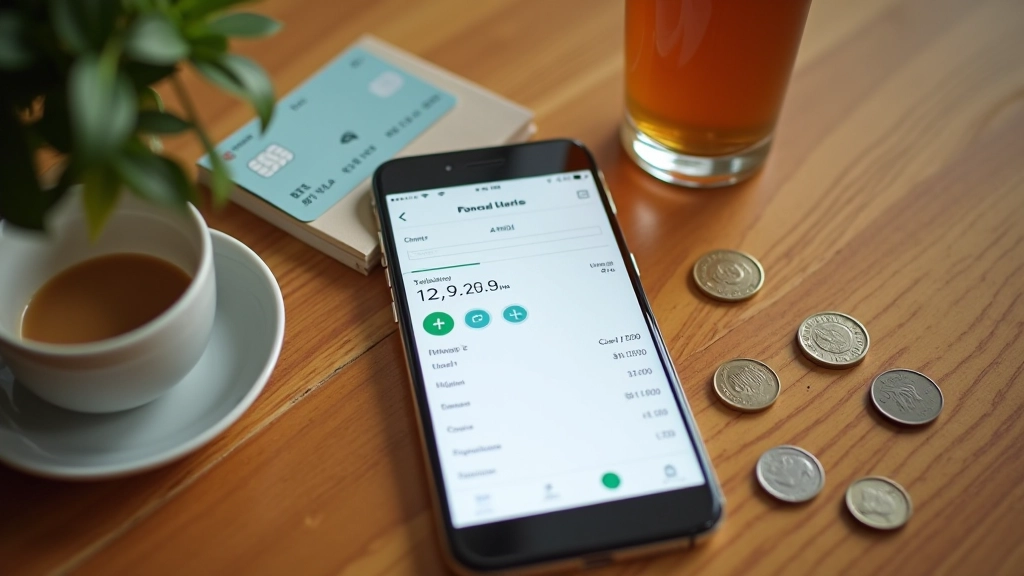
Did you use Octopus for most transport? Mobile payment for food? Cash for convenience stores? When you look at your data by payment method, a pattern emerges. Some methods are for necessities. Others for habits. This matters because different payment methods feel different psychologically.
Cash makes spending feel more real. You see it leave your wallet. Mobile payments feel abstract — a notification, then gone. Octopus for transport is automatic, barely registered. None of these is better or worse. But understanding which payment method you use for which expenses helps you see where you’re most or least aware of spending.
Some people discover they spend way more through mobile payment because it feels less tangible. Others realize their Octopus auto-top-ups mean they’re not actually paying attention to transport costs. The payment method pattern is often as revealing as the expense category pattern.
Where Do You Go From Here?
One month of tracking gives you a baseline. You’ve got data. You’ve seen patterns. The question now is: what do you do with this information? The best part is you don’t need to change anything yet. Just knowing the patterns often creates natural awareness. You’ll catch yourself before buying that drink and think “I’ve already had three this week.” That’s the awareness doing the work.
Some people continue tracking. It becomes a habit. Others take a break and restart in a few months to see if patterns have shifted. Some use the baseline to set gentle targets. “I spent one hundred fifty on food last month, so maybe this month I’ll aim for one hundred thirty.” That’s not strict budgeting — it’s informed intention.
The patterns you’ve spotted aren’t permanent. Your spending habits will change with seasons, life events, and circumstances. But now you’ve got a system for noticing those changes as they happen. You’re not blindly spending anymore. You’re spending with awareness. And that’s where real change starts.