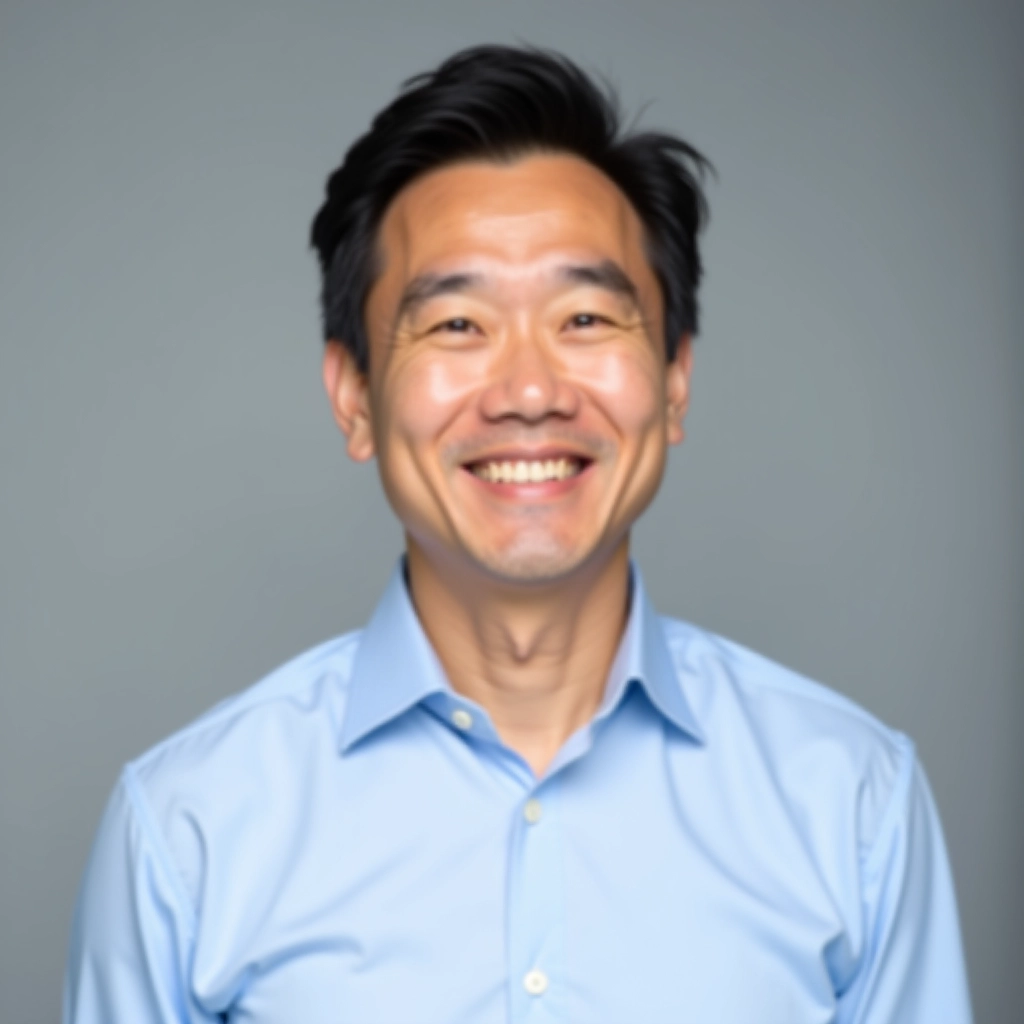
Back in 2012, I was sitting in my dorm room at HKU doing what every poor university student does — trying to figure out where my money went. I’d budget carefully, stick to my limits, and somehow still run out of cash by mid-month. It wasn’t the big stuff either. The problem was bubble tea.
One afternoon I decided to track every single purchase for a week. Not to judge myself. Just to see. Twenty-three dollars on bubble tea. Eighteen on coffee. Forty-seven on MTR top-ups because I kept forgetting my Octopus card. By the end of that week, I’d spent nearly two hundred dollars on things I barely remembered buying. That’s when it clicked.
I wasn’t bad with money. I was just invisible to my own spending. So I started a real experiment — a full month of writing down everything. No app, no guilt, just awareness. By day fifteen, something shifted. I naturally started making different choices, not because I was restricting myself, but because I could actually see the pattern.
That curiosity led me through my Economics degree at HKU, then a Master’s in Financial Planning at HKUST. But the real education came from working directly with people. Over the past twelve years, I’ve helped over eight thousand Hong Kong consumers do exactly what I did — understand their spending through awareness, not restriction.
In 2019, my research on payment method psychology — comparing cash versus Octopus cards versus mobile payments — got published in several financial journals. Turns out, how you pay changes what you buy. That insight shaped everything I do now at Cent Tracker Limited.